


Published on: Wednesday, January 16, 2013
Kota Kinabalu: Kota Kinabalu Industrial Park (KKIP) in Sepanggar is expected to boost the manufacturing sector in Sabah to surpass 20 per cent in terms of Gross Domestic Product (GDP) contribution by 2020.
The current rate is nine per cent.
Chief Minister Datuk Seri Musa Aman, who was formerly KKIP Chairman, said the State's expectations on KKIP are high as it is an entry point project (EPP) under the Economic Transformation Programme (ETP).
Pleased that the Performance Management and Delivery Unit (Pemandu) is anchoring KKIP as a focus for the development of manufacturing in Sabah under the ETP's manufacturing and logistics sector, he said Pemandu is aware of the State's leading industrial park's strength and weaknesses.
"One of KKIP's assets is its huge areas for industrial development that has placed it in a favourable position to attract and capture heavy industries such as automotive producers that can serve as a spring board for start-ups and development of small and medium enterprises (SMEs)," he said.
The International Trade and Industry Ministry has since issued a licence to TC Manufacturing Company (Sabah) Sdn Bhd (TCMC Sabah), a subsidiary of Tan Chong Motor Holdings Berhad, to manufacture and assemble luxury passenger and commercial vehicles at a plant to be sited within KKIP.
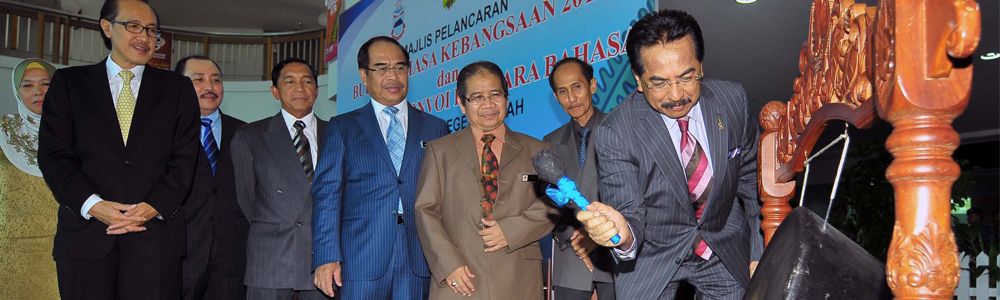
"This will become the first vehicle assembly plant in the Brunei, Indonesia, Malaysia and Philippines-East Asean Growth Area (BIMP-EAGA) region," he said when officiating at the KKIP Showcase Seminar & Exhibition 2013 - Moving Forward with the SMEs - at the Pacific Sutera here Tuesday.
His speech was read by Deputy Chief Minister cum Resource Development and Information Technology Minister Datuk Dr Yee Moh Chai.
The State Government is now in the process of looking into other aspects of this latest development that is expected to bring about a wide range of socio-economic benefits.
"The establishment of an automobile industrial cluster at Industrial Zone 9 of KKIP will include not only the anchor tenant for the assembly plant, but a host of vendors to support it," said Musa.
The assembly plant will have a multiplying effect as there will be a need for seats, air-conditioning, engines and other items that vehicles require, he said, adding it is also envisaged that a plant for truck and bus body building work will be set up and other related auto industry activities at the cluster would include production of motorcycles and passenger coaches.
"Eventually, this cluster could become an automobile hub for the BIMP-EAGA region. Activities in the new auto industry cluster will also result in creation of 5.263 jobs," he said.
Despite the strengths and positive outlook, Musa said KKIP must take stock of areas where improvements should be made and seriously address some of its inherent weaknesses.
"Greater efforts will have to be made to accelerate the take up rate to a much higher level so that this premier industrial park can be developed as planned. KKIP has to push for a higher level of set-ups in the industrial sector and not allow growth to remain stagnant," he said, adding one of the issues can be looked into is the rate of land price offered to investors.
Musa said there are many plus points for KKIP in attracting investments and one of them is its strategic location being in the heart of the BIMP-EAGA region.
"An important consideration when planning a manufacturing enterprise at KKIP is the fact that its products would have a huge consumer market of over 50 million within the nearby BIMP-EAGA territories," he said, while calling on entrepreneurs to look at the market potential beyond Sabah and set targets that include a wider horizon, even beyond the BIMP-EAGA region.
Another advantage is that KKIP is only 10 kilometres away from the Integrated Container Port at Sepanggar Bay, he said, adding such proximity to a port benefits industries, facilities export and import and encourages shipment of products.
"Port facilities are essential for the sustainability of manufacturing industries, a plus point for investors. There is also steady electricity supply from KKIP Power Sdn Bhd and there are plans to have gas supply sourced from Sabah Oil and Gas Terminal in Kimanis to meet gas demands in KKIP," he said.
The State Government remains mindful of key challenges in the next phase of KKIP's progress, he said, adding it is looking into some of the difficulties expressed by investors, including access to resources that they need for the production process.
"We are also addressing logistics constraints related to shipping costs and time, and improvement in infrastructure development.
These are among matters that we are actively pursuing with the relevant authorities and the Federal Government in seeking lasting solutions to ensure that KKIP moves forward without further hindrance," he said.
"With the bigger goal in mind, and with over 23,000 new jobs to be created by 2020 in KKIP, we must move forwardÉby being proactive and by striving for excellence, I am confident that KKIP can one day proclaim to be the driving force for industrialisation in Sabah," he said.
Source : Daily Express


